

Protect Your Friends and Loved Ones

At 1am, my phone rang. It was a friend of friend calling. The first words I heard from her were “get a pencil and start writing.” She informed me that my friend was in the process of being arrested outside her home. Naturally the first questions that came to mind are why is she being arrested and what is going on, but instead the first two questions I asked were “which department is arresting her?” and “which facility are they taking her to?” The why and how of the situation can be answered in due time. In those moments, the fact is that your loved one is being arrested, you’re powerless to stop it, and you need to know where they are being taken. “To jail” is both an obnoxiously obvious and vague answer. You likely live somewhere with multiple jails/detention facilities nearby. So, which jail? And are they being arrested by local, state, or federal authorities? The first step to getting your loved one released is knowing where they are.

In the following hours, her friend and I quickly discovered that we did not know what to do. We needed to get her out of jail, she needed a lawyer, and we needed to contact her family. Neither of us knew how to do any of those things. And all of this was compounded by the fact that it was 1am on a weekend.

Eventually, we got it sorted. My friend was released from jail the following day, the appropriate familial contacts were made, legal representation was established, and everything worked out. However, this was a wake up call that my emergency preparedness was severely lacking.
Losing Access To The Cascades

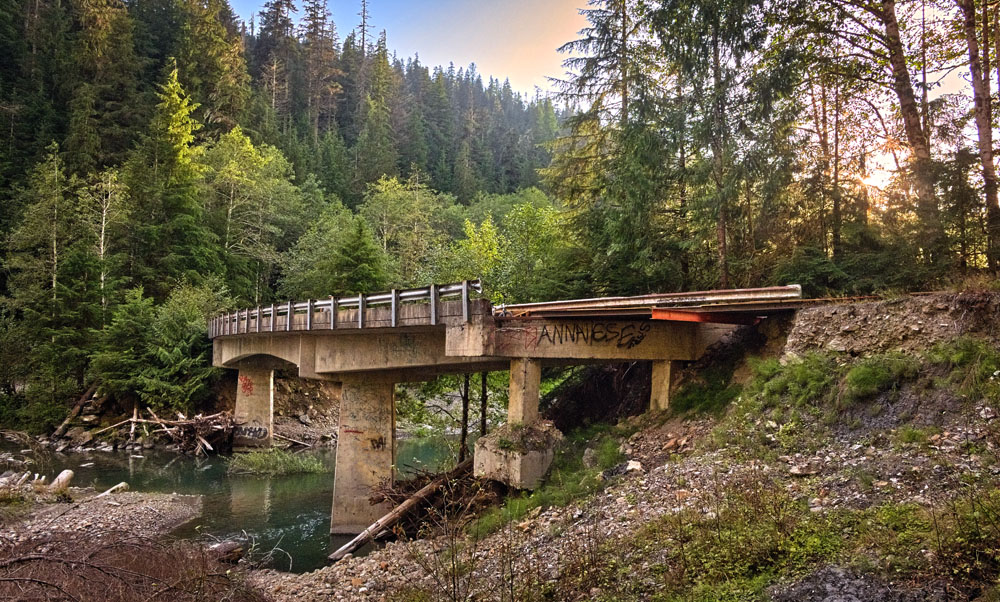
Pictured above is the Canyon Creek bridge along the Green Mountain forest road. It and the road beyond were damaged in 2011 and has remained closed ever since. Each year its condition degrades further making any eventual repair/replacement even more expensive. Meanwhile, the bridge closure rendered the remaining 8.5 miles of Green Mountain road inaccessible to vehicle traffic. This transformed the already challenging Three Fingers Lookout trail from 4,200ft and 15mi to a highly committing 5,300ft and 26mi putting it out of reach for all but the most dedicated and skilled hikers. Despite being closed for 13 years, there is little hope for repair and reopening. With each passing year the continued degradation of the road most likely means the loss of access to this area of the Cascades forever.

Hey Google, what happened to all the fun?

This is the story of how Google killed a 14 year old Android app overnight.

2008 was a time when the web had mostly become ubiquitous but still before most people carried it all with them in their pocket on a smartphone. For me, a high school student at the time without a smartphone, my programming classes were the only times during the school day where I could access the internet in a school computer lab. These short periods during the day were often filled writing programs of various computer science fundamentals for my classwork but, of course, there was also a healthy amount of screwing around on the heavily filtered internet we were allowed access to.

It was in one of these computer labs that a fellow student directed me to a website with quite literal domain, isittuesday.com. It was exactly what it sounded like, a large “Yes!” or “No.” displayed on the page if it was Tuesday and, well, that’s it. It was the sort of random website that you’d snicker at, send to your friends on AOL Instant Messenger for the next person to snicker at, and move on to the next thing that caught your brief interest.

For those of us that grew up during this time, the web was still a fairly decentralized place. Terms like “Web 2.0” and “the blogosphere” abounded. The social media giants we know today were becoming established, but the web did not revolve around them just yet. But I am hardly the first person to express nostalgia for this era. So what?

Debugging Ruby, The Hard Way

Normally when you encounter a bug with Ruby, or any other interpreted language for that matter, using the language’s provided debugging tools are all you need to diagnose the problem and find a solution. Indeed that works 99% of the time. But what about when it doesn’t? What about when your program is so hosed that the typical debugging tooling doesn’t yield any fruitful information?

This was the situation I found myself in recently while debugging a low-level bug with Ruby. I didn’t know it when I started, but the problem lie down in glibc and all the Ruby-land debugging tools in the world would not help me. So what’s one to do? Well, if you’re running the C implementation of Ruby, MRI, then it’s GDB to the rescue. However, figuring out how to access the data needed through GDB presents a host of new challenges. Armed with the proper knowledge though and it becomes entirely feasible to debug a Ruby program through GDB which is what this post aims to explore.

Five of the best fly-in camping airports in Washington

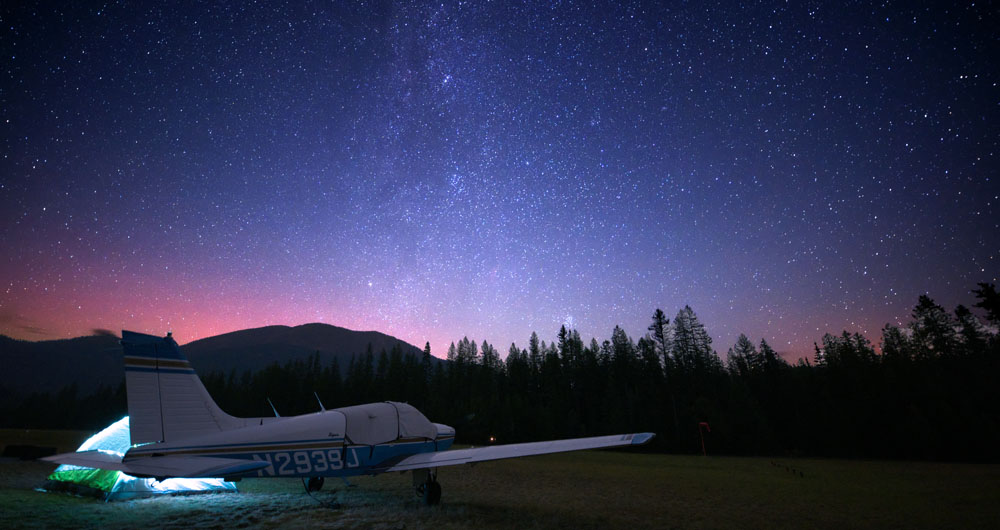
Airplane camping in Washington is a far cry from the meccas of Idaho, Utah, or Alaska. Despite all of the forested and mountainous terrain in Washington there are no true backcountry airports in the state. Nevertheless, there are a healthy amount of fly-in camping options on the more beaten path for pilots to enjoy. The tradeoff for this accessibility being, unlike the aforementioned backcountry playgrounds like Idaho, the best airport campgrounds in Washington don’t require planes capable of 500ft takeoff rolls and tundra tires.

The airports listed here are (arguably) the best camping spots in Washington. They are all public airports and have long and smooth enough runways for those flying trikes to operate from. All the while still being some incredible destinations that make flying GA worth all that time, effort, and money. Although if you’re looking for something marginally more challenging, take a look at my most accessible Idaho backcountry airports list.